Personal trainer & software developer · Updated 2026-10-12
The best AI meal planning app depends on whether you want nutrition targets, family dinners, grocery automation, or fitness integration. PonteFuerteAI is the best choice when meal planning needs to match a workout and body-composition goal. Eat This Much is best for automatically hitting calorie and macro targets. Mealime is best for simple recipes and grocery lists, while Ollie is built around reducing the mental load of feeding a family.
We compared current US product pages and App Store listings across personalization, nutrition targets, weekly planning, grocery lists, recipe flexibility, family support, food tracking, and workout integration. Mealime and Samsung Food are not AI-first products, but they are included because they provide a useful baseline for what a good meal planning app should do. If you specifically want a free, no-download web tool instead of a mobile app, see our comparison of the best free diet plan generators.
Quick picks
Best for fitness and body composition: PonteFuerteAI
Best for calorie and macro targets: Eat This Much
Best AI cooking and pantry assistant: FoodiePrep
Best AI meal planner for families: Ollie
Best simple meal plans + grocery list: Mealime
Best free recipe organizer: Samsung Food
Best meal plan plus food tracking: Lifesum
AI Meal Planning Apps Compared
App
Best for
Personalization
Grocery list
Workout integration
PonteFuerteAI
Fitness goals
Body, goal, diet, calories, macros
Yes
Built in
Eat This Much
Nutrition targets
Diet, budget, schedule, targets
Weekly premium plans
No
FoodiePrep
Recipes and pantry use
Taste, diet, ingredients
Yes
No
Ollie
Families
Family tastes, routines, goals
Yes
No
Mealime
Fast weeknight meals
Taste and dietary preferences
Excellent
No
Samsung Food
Saving and organizing recipes
Ingredients, diet, recipes
Shared lists
No
Lifesum
Food logging and diet plans
Goals and eating preferences
Varies by plan
Activity integrations
Features and subscriptions change. This comparison was checked against official US listings on August 27, 2026.
How We Evaluated Meal Planning Apps
An AI label is not enough. A useful meal planner should reduce decisions while still letting you change the plan. We looked for:
A goal the app can understand: calories, macros, family size, diet, budget, schedule, or available ingredients.
A usable weekly plan: not just random recipes placed next to each other.
Fast edits: swapping one meal should not require rebuilding the week manually.
Shopping support: ingredients should become a consolidated grocery list.
Feedback after real life happens: the plan should remain useful when you eat out, skip a meal, or change training days.
1. PonteFuerteAI: Best AI Meal Planner for Fitness Goals
Best for: fat loss, muscle gain, or body recomposition when meals need to support a workout plan.
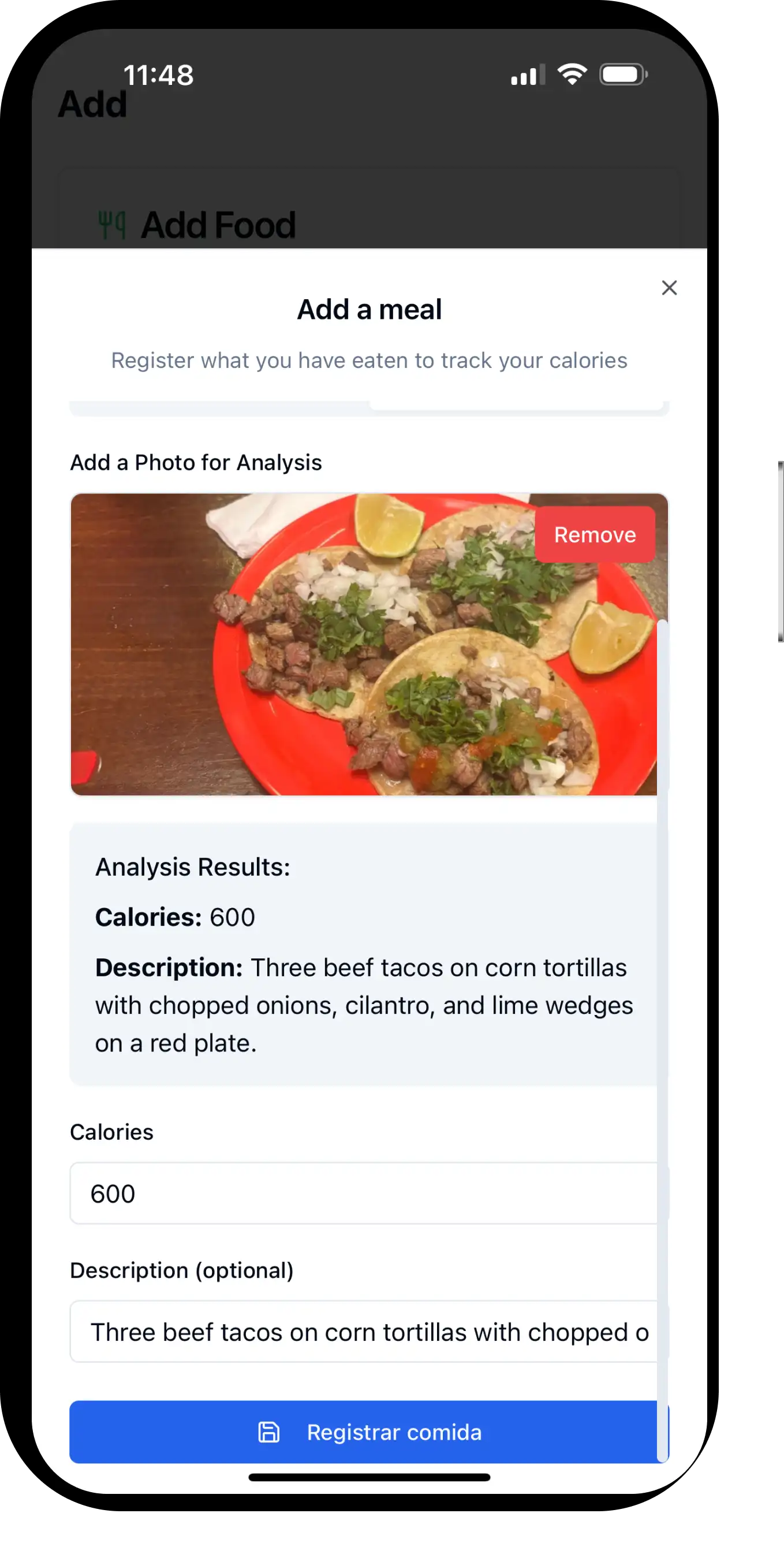
PonteFuerteAI creates a personalized meal plan from your goal and nutrition targets, then connects it to calorie, macro, protein, photo meal, workout, water, supplement, and body-progress tracking. The advantage is feedback: the plan does not live in a recipe app that knows nothing about your training.
Where it wins: meal planning and workouts share the same goal, and photo logging reduces the friction of tracking what you actually ate.
Where it is weaker: a family-first tool such as Ollie or Mealime has deeper household and shared-shopping workflows.
2. Eat This Much: Best for Automatic Calorie and Macro Targets
Eat This Much asks for diet goals, food preferences, budget, schedule, and nutrition targets, then generates meals to match. Free users can generate and edit a day, while premium users get weekly plans and grocery lists.
Choose it if: hitting numerical calorie or macro targets is more important than workout programming.
3. FoodiePrep: Best AI Pantry and Recipe Assistant
FoodiePrep combines recipe importing, an AI recipe assistant, meal plans based on taste and diet, pantry management, and automatically generated shopping lists.
Choose it if: you save recipes from social media and want the planner to use ingredients you already own.
4. Ollie: Best AI Meal Planner for Families
Ollie creates meal plans, recipes, and grocery lists around a family's tastes, routines, and goals. Its main promise is reducing the repeated “what is for dinner?” decision rather than optimizing an athlete's macros.
Choose it if: multiple people, preferences, and schedules are the real planning problem.
5. Mealime: Best Simple Plan and Grocery List
Mealime personalizes plans around taste and dietary preferences, turns recipes into a consolidated grocery list, and focuses on meals that fit busy weeknights.
Choose it if: you want the smoothest route from choosing recipes to buying groceries and cooking dinner. It is not the best option for training-aware macro adjustments.
6. Samsung Food: Best Free Recipe Organizer
Samsung Food is strong for saving recipes from around the web, planning a week, discovering recipes by ingredients, and sharing grocery lists with family. Its listing describes a large public recipe library and broad diet filters.
Choose it if: your recipes are scattered across websites, screenshots, and social posts and organization matters more than fitness coaching.
7. Lifesum: Best Meal Plans With Food Tracking
Lifesum combines calorie and macro tracking with multiple logging methods, nutrition insights, and diet or meal-plan guidance. It is closer to a food tracker than a family meal calendar.
Choose it if: you want polished nutrition tracking with meal guidance but do not need a built-in strength program.
PonteFuerteAI is the best option when the meal plan needs to support a workout and body-composition goal. Eat This Much is best for automated calorie and macro targets, while Ollie is best for family meal planning.
Is there a free AI meal planner?
Several apps offer a free starting point. Eat This Much can generate a customizable day, Samsung Food offers extensive free planning tools, while PonteFuerteAI requires a subscription and lets you preview your personalized plan first.
Which meal planning app makes a grocery list?
PonteFuerteAI, Eat This Much premium, FoodiePrep, Ollie, Mealime, and Samsung Food all provide grocery or shopping-list workflows in different forms.
How does an AI meal planner work?
You enter your goal, body stats, activity level and food preferences. The AI calculates calorie and macro targets, then builds meals that fit them, and most apps turn the plan into a grocery list. Better planners adjust the plan as you log food and your weight changes.
Can ChatGPT make a meal plan?
Yes, ChatGPT can write a meal plan from a prompt, but it doesn't track what you actually eat, can miscalculate calories and macros, and won't adjust the plan as your weight changes. A dedicated AI meal planner app does those parts for you.
Can an AI meal planner replace a dietitian?
No. An app can organize meals for general fitness and preferences, but it should not replace a registered dietitian for medical conditions, eating disorders, pregnancy, food allergies with serious risk, or therapeutic diets.
Personal trainer · Software developer · Founder of PonteFuerteAI
Over 10 years of training experience across three continents. Certified personal trainer who coached clients in Spain, India, and Japan before building PonteFuerteAI — the all-in-one AI fitness app he always wished existed.
Protein first, small portions, go easy on grease. Real r/Ozempic advice on what to eat, what to avoid, and what helps with nausea — reviewed by a trainer.
We tested the top free diet plan generators against what Reddit actually recommends — plus the one gap none of them fill: a workout plan to go with it.