Personal trainer & software developer · 2026-10-04
Written by Alberto Menéndez, certified personal trainer with 10+ years of training experience. This guide covers nutrition habits alongside GLP-1 medications (Ozempic, Wegovy, Mounjaro, Zepbound). It is not medical advice — if you have kidney disease or another medical condition, confirm your protein target with your doctor or dietitian.
On a GLP-1, most clinical guidance lands on about 1.2-1.6 grams of protein per kilogram of body weight per day (roughly 0.55-0.75 g per pound). For most adults that works out to somewhere around 80-130 g a day. The challenge isn't the number — it's eating that much protein when the medication has switched your appetite off.
Quick answer
Aim for about 1.2-1.6 g of protein per kg of body weight daily, split into 3-4 servings of 25-30 g. If you have a lot of weight to lose, many clinicians base the target on your goal weight instead of your current weight. Eat the protein first at each meal, and use shakes or Greek yogurt on low-appetite days.
Where the Numbers Come From
UCHealth's guidance for GLP-1 users puts the goal at "about 1.2 grams of protein per day per kilogram of body weight (or 0.55 grams of protein per pound of body weight)" (UCHealth). Other GLP-1 nutrition guides describe "a common starting range" of "about 1.2 to 1.6 grams per kilogram daily" (Brello Health). The reason it's higher than the general 0.8 g/kg recommendation is the one covered in our Ozempic muscle loss guide: in a large calorie deficit, extra protein — plus strength training — helps you keep your muscle.
Protein Target by Body Weight
Body weight
1.2 g/kg
1.6 g/kg
60 kg (132 lb)
72 g
96 g
70 kg (154 lb)
84 g
112 g
80 kg (176 lb)
96 g
128 g
90 kg (198 lb)
108 g
144 g
100 kg (220 lb)
120 g
160 g
A coaching note: if you're carrying a lot of extra weight, calculating from your current weight can give targets above 150-200 g that are unrealistic on a suppressed appetite. Using your goal weight (or an adjusted body weight) is a common, more practical approach — and it's what many people on Reddit do too.
What People on GLP-1s Actually Eat
Reddit's GLP-1 communities are refreshingly practical about this. From an r/Noom thread on protein: "most people on GLP-1s aim for 80-120g depending on their weight/goals, and even that can be challenging when appetite..." is low. (r/Noom, "GLP-1 and protein intake", 30+ comments) A 70-comment thread in r/antidietglp1 lands in the same place: "Most people do not need more than about 100g. I get between 85 to 120 grams a day, and most days right around 100." (r/antidietglp1, "How much protein are we eating?")
On the goal-weight approach, from r/Tirzeglutide: "The generic recs I see around here are 0.7-1.8g of protein per pound, but the metric I stick with is 1.0 per pound of ideal body weight." (r/Tirzeglutide, "How much protein is in 'enough'?") And the most useful practical tip, from r/glp1: "the earlier in the day I get a good protein shake with 30-40g of protein, the more likely I am to hit my targets." (r/glp1, "How are y'all getting your protein?", 70+ comments)
How to Hit Your Protein When You're Not Hungry
Protein first. Eat the protein part of each meal before anything else — when fullness hits early, you've already covered the important part.
Front-load it. A 30-40 g shake or Greek yogurt bowl in the morning makes the rest of the day much easier.
Use dense, easy sources: Greek yogurt, cottage cheese, eggs, protein shakes, fish, chicken, tofu, and lean beef.
Liquid counts. Shakes and protein milk are often easier to get down than solid food on high-nausea days.
Track it for a week or two. Most people overestimate how much protein they eat. A short tracking period shows where the gap really is.
Where PonteFuerteAI Fits
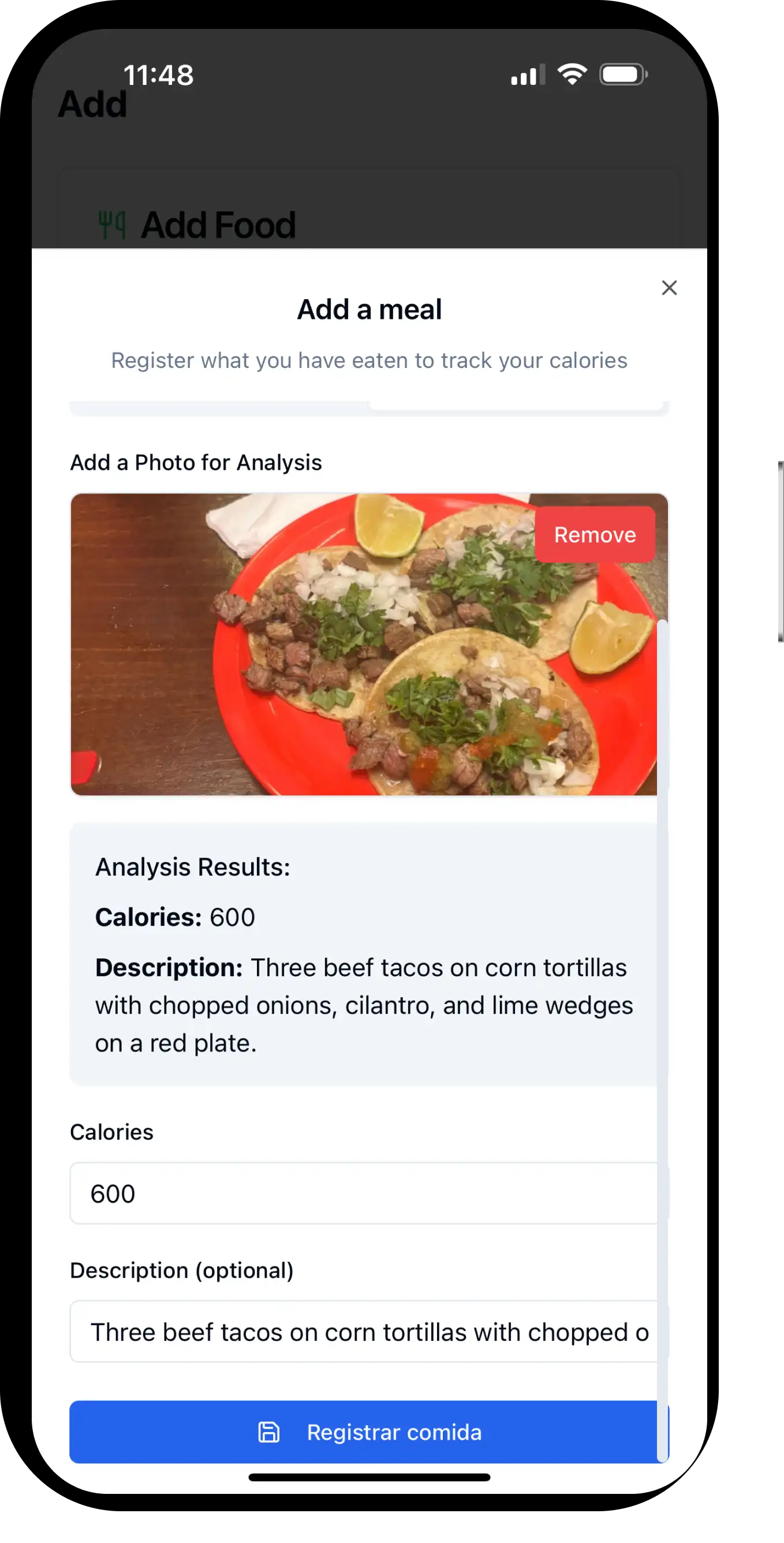
PonteFuerteAI sets your daily protein target from your weight and goal, and lets you log meals with a photo, so you can see at a glance how far you are from your protein for the day — useful when meals are small and irregular. Combined with its strength training plans, it covers the two habits that matter most for protecting muscle on a GLP-1.
Frequently Asked Questions
How much protein should I eat on a GLP-1?
Most guidance lands on about 1.2-1.6 g of protein per kg of body weight per day (0.55-0.75 g per pound), split into servings of roughly 25-30 g. With a lot of weight to lose, many people base the number on their goal weight.
Is 100 g of protein a day enough on Ozempic?
For many adults, around 100 g falls inside the recommended range — it matches roughly 1.2-1.6 g/kg for someone weighing 65-85 kg. Heavier people may need more, which is why a per-kg target is more accurate than a single number.
How do I get enough protein with no appetite on a GLP-1?
Eat protein first at each meal, front-load a 30-40 g shake or yogurt early in the day, and use liquid or soft protein sources (shakes, cottage cheese, Greek yogurt, eggs) on high-nausea days.
Can I eat too much protein on a GLP-1?
For healthy adults, intakes in the 1.2-1.6 g/kg range are considered safe. If you have kidney disease or another medical condition, confirm your target with your doctor or dietitian first.
Personal trainer · Software developer · Founder of PonteFuerteAI
Over 10 years of training experience across three continents. Certified personal trainer who coached clients in Spain, India, and Japan before building PonteFuerteAI — the all-in-one AI fitness app he always wished existed.
Looking for a Hevy alternative in 2026? We compare the best apps for workout logging, AI plans, Apple Watch support, nutrition tracking, free programs, and strength progress.
Looking for a Ladder app alternative? Compare seven options for AI workout planning, one-to-one coaching, free strength programs, nutrition tracking, and flexible home or gym training.
Compare seven AI meal planning apps for personalized menus, calorie and macro targets, grocery lists, family planning, recipe discovery, and fitness integration.