

2026-09-10
TDEE Calculator: What Reddit Actually Trusts (and Where They Disagree)
TDEE calculators can disagree by 300-500+ calories for the same person. Real threads from r/loseit, r/CICO, and r/workout on why to fix it.
Read Article
Personal trainer & software developer · 2026-10-04
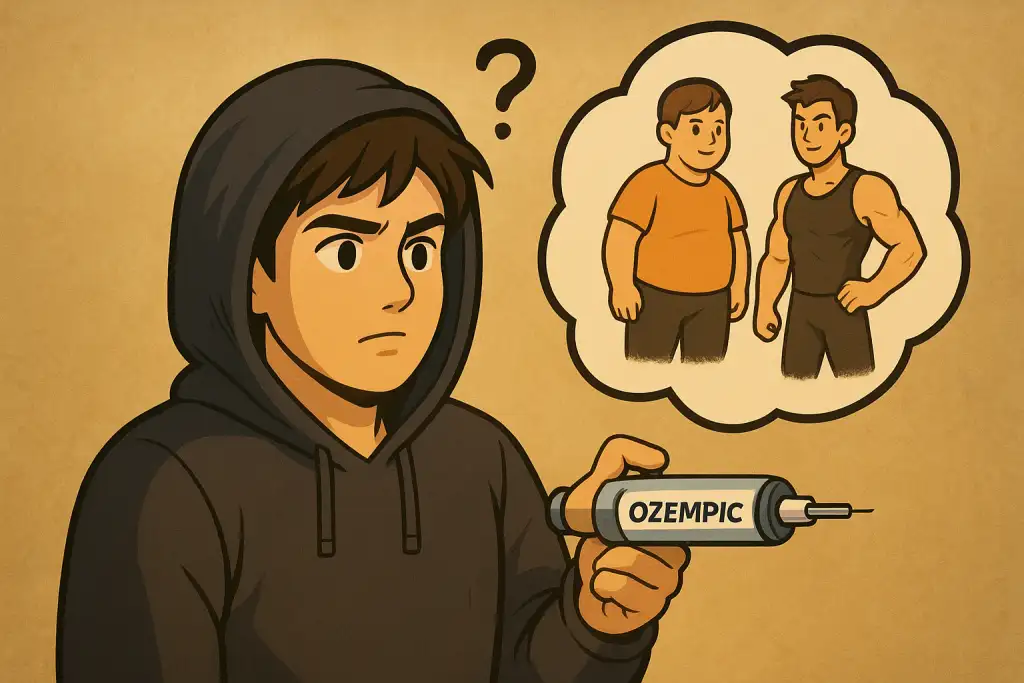
Written by Alberto Menéndez, certified personal trainer with 10+ years of training experience. This guide covers the training and nutrition side of using a GLP-1 medication (Ozempic, Wegovy, Mounjaro, Zepbound). It is not medical advice: dosing, side effects, and whether a GLP-1 is right for you are decisions for your prescribing doctor.
Yes — weight loss on Ozempic and other GLP-1 medications can include a meaningful amount of muscle, not just fat. That isn't unique to the drug: any fast weight loss pulls some lean mass with it. The difference is that GLP-1s make it very easy to eat far less, very quickly, often with little protein. The two habits that protect your muscle are the same ones that work in any fat-loss phase: regular strength training and enough protein.
Lift weights (or do bodyweight/band resistance work) 2-3 times a week, aim for roughly 1.2-1.6 g of protein per kg of body weight spread over your meals, and don't let the appetite suppression push you into a crash-diet deficit. Those three habits are what clinical reviews and every major health system recommend for preserving muscle on a GLP-1.
The number you'll see most often is that up to about 39% of the weight lost on GLP-1 medications comes from lean mass (Hinge Health summary of the trial data). Two important caveats from a coaching perspective:
A 2024 clinical review on exactly this question puts it simply: "Two key principles for preserving muscle mass are (1) ensuring adequate intake of protein and other nutrients and (2) incorporating physical activity" into the treatment plan. (Mechanick et al., 2024, via NIH PMC)
From the training side, the mechanism isn't mysterious. When appetite drops sharply, three things tend to happen at once:
This is the single most important habit, and it's the one I'd prioritize over anything else for a client on a GLP-1. Clinical guidance lands on the same range — Cleveland Clinic lists "Focus on strength training" and "Prioritize protein" as core steps (Cleveland Clinic), and other clinics recommend resistance training up to 3-4 times a week with compound movements like squats, deadlifts, push-ups and rows (Prevention Clinics).
A simple, realistic structure:
On low-appetite days, keep the session but reduce the volume: one or two sets per exercise is far better than skipping. If you're new to lifting, our beginner workout plan is a good starting template.
Most sources land around 1.2-1.6 g of protein per kg of body weight per day, spread across meals in roughly 25-30 g servings. With a small appetite, that won't happen by accident: protein needs to be the first thing on the plate, not the last. We break down exact numbers by body weight in our guide to protein on a GLP-1.
Cleveland Clinic's first recommendation is literally "Take it slow". If you're regularly eating far below what you need because you're not hungry, the scale moves faster, but more of that loss is muscle. Using a calorie target as a floor, not just a ceiling, keeps the deficit sustainable. See what to eat on Ozempic for low-appetite, high-protein food ideas.
Muscle is repaired during sleep, and dehydration makes training feel much harder — a common problem when GLP-1s also reduce thirst. Daily walking adds energy expenditure without eating into recovery.
This is one of the most discussed worries in the GLP-1 community — a single r/Ozempic thread asking "Are you worried about muscle loss while using Ozempic?" has drawn around 250 replies, and threads like "How to lose weight but preserve muscle?" keep resurfacing. The consistent advice in those discussions matches the clinical guidance above: lift, track protein, and don't treat the lack of hunger as a reason to barely eat.
The hard part on a GLP-1 isn't knowing these rules — it's following them on days when you're not hungry and don't feel like training. PonteFuerteAI generates a strength plan matched to your level and equipment, and sets a daily protein and calorie target that adjusts as your weight changes, so you can see at a glance whether today's meals actually covered your protein. It works alongside your doctor's plan, not instead of it.
Weight loss on Ozempic can include lean mass — trial summaries put it at up to roughly 39% of the total weight lost. Much of that can be prevented with regular strength training and adequate protein.
Strength train 2-3 times a week, eat roughly 1.2-1.6 g of protein per kg of body weight daily spread across meals, and avoid crash-level calorie intake even when your appetite is very low.
Muscle can be rebuilt with consistent strength training and enough protein, at any age. Starting resistance training as early as possible in treatment is easier than rebuilding afterwards.
For most people, yes — strength training is one of the most recommended habits during GLP-1 treatment. If you have a medical condition or significant side effects, check with your prescribing doctor first.
Written by
Alberto MenéndezPersonal trainer · Software developer · Founder of PonteFuerteAI
Over 10 years of training experience across three continents. Certified personal trainer who coached clients in Spain, India, and Japan before building PonteFuerteAI — the all-in-one AI fitness app he always wished existed.
Read full story →Download PonteFuerte AI today and join thousands who are already achieving their goals with the help of our artificial intelligence.
 ▶Google PlayFree Personal Plan
TDEE calculators can disagree by 300-500+ calories for the same person. Real threads from r/loseit, r/CICO, and r/workout on why to fix it.
Read Article
How long to train, what a real weekly schedule looks like, and the grip-strength mistake most beginners make — pulled from real r/spartanrace threads.
Read Article
Hevy wins for social features and a more generous free tier; Strong wins for a minimal private lifting log. Compare pricing, Apple Watch support, routines, and progression.
Read Article