

2026-07-30
MyFitnessPal Alternative: What Reddit Recommends in 2026
Active Reddit threads most often recommend MacroFactor, Cronometer, and Lose It! as MyFitnessPal alternatives. Here is why users choose each one.
Read Article
Personal trainer & software developer · 2026-11-15
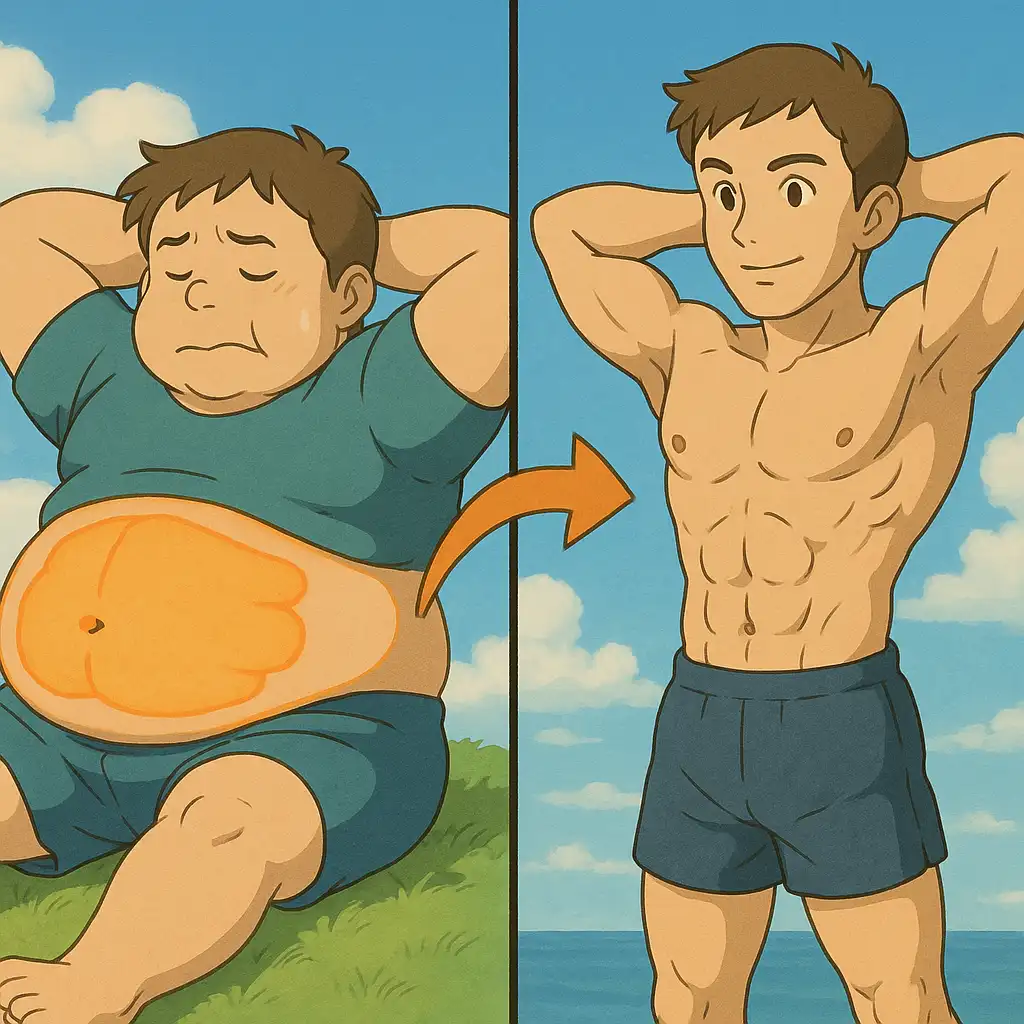
Written by Alberto Menéndez, certified personal trainer with 10+ years of training experience. The lower belly "pooch" is the area clients most often ask me to fix — and the one most surrounded by bad advice. This guide covers the training and nutrition side; if you've had a baby or have pain, see the note on diastasis below.
The lower belly pooch is the last bit of the stomach that sticks out even when the rest of you is getting leaner. It's frustrating because the internet keeps telling you crunches and "5-minute lower ab workouts" will flatten it — they won't. A pooch is usually a mix of lower-belly fat (often the last to go), posture, and sometimes bloating or separated ab muscles. Fix the right cause and it changes; keep doing crunches and it won't.
To lose a lower belly pooch, lower your overall body fat with a moderate calorie deficit and high protein, strength train 3-4 times a week, and train your deep core (dead bugs, planks, Pallof presses) for support and posture. Ab exercises alone won't burn lower belly fat. If you've had a baby and your belly bulges along the midline when you sit up, get checked for diastasis recti by a doctor or pelvic-floor physiotherapist.
Studies on spot reduction are clear: in a 6-week trial, people doing abdominal exercises 5 days a week strengthened their abs but lost no more belly fat than people who didn't (Vispute et al., 2011). Reddit's fitness communities say the same thing. Under an r/fit post titled "How I lost my lower belly pouch (4 months)", the top reply was: "nothing specifically targets belly fat. When you lose fat overall you will lose belly fat." And in a Reddit thread with 1,900+ comments asking why the stomach is the last place to change, the most upvoted advice was: "The stomach usually just catches up later. The only way it changes is: Stay consistent, Stay in a calorie deficit, Keep training."
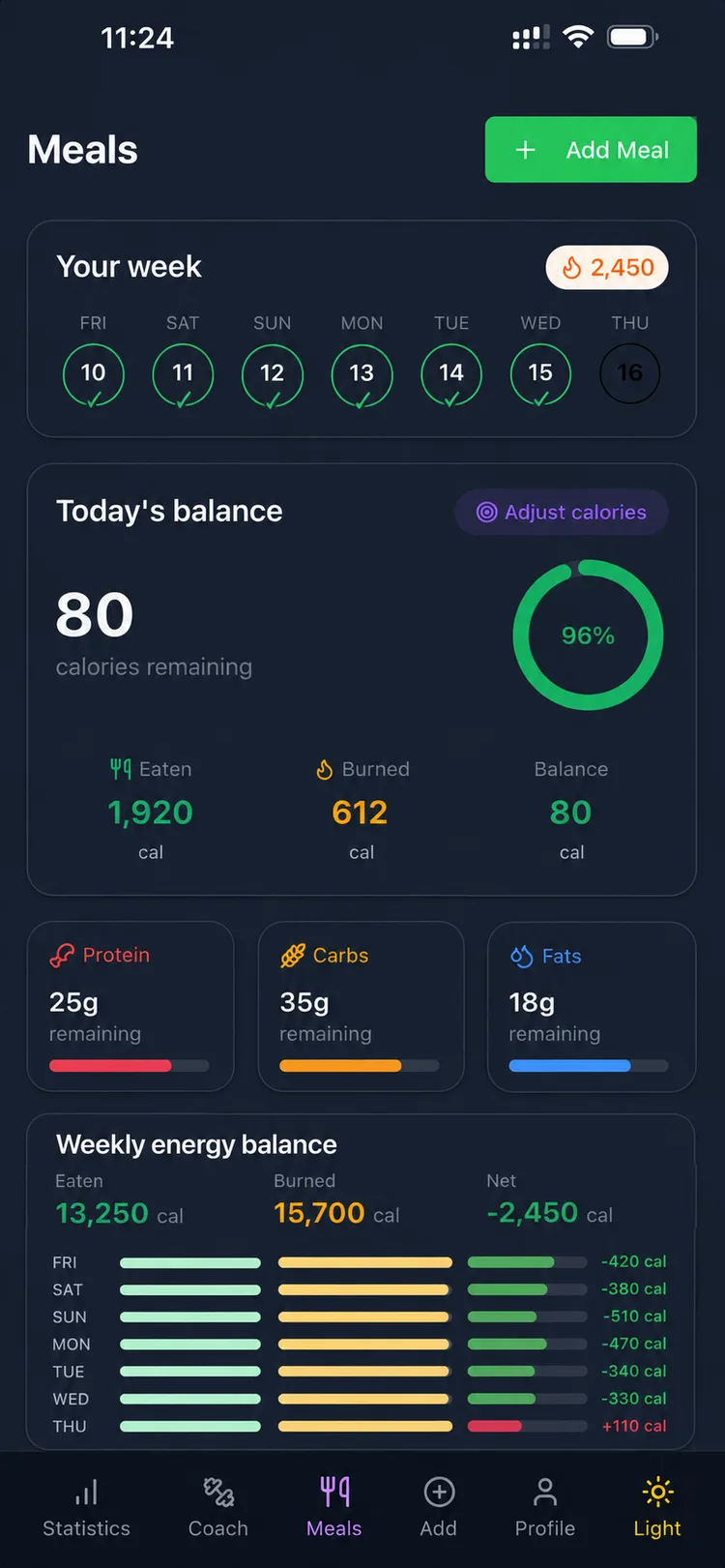
About 300-500 kcal below maintenance. The pooch is usually the last fat to go, so this is a matter of weeks to months — not days. Crash diets make it worse by burning muscle and triggering rebounds.
Around 1.6 g per kg of body weight a day helps you keep muscle while you lose fat (Morton et al., 2018) and keeps hunger manageable.
Squats, hip hinges, rows, presses and carries burn more energy and build more muscle than any ab circuit — and strong glutes help fix the pelvic tilt that pushes the belly out.
Dead bugs, planks, side planks, Pallof presses and slow leg lowers train the deep muscles that hold your belly in. 2-3 sets of each, 2-3 times a week, is plenty.
Stretch tight hip flexors, strengthen glutes, and notice whether certain foods or late, large meals make your belly noticeably bigger by evening.
After pregnancy, a lower belly pooch can be partly diastasis recti — the two sides of the abdominal wall stretching apart. It's very common: research has found it in roughly 6 in 10 first-time mothers 6 weeks after birth, and in about 1 in 3 a year later (Sperstad et al., 2016, British Journal of Sports Medicine). Signs include a ridge or "doming" down the middle of your belly when you sit up.
If that sounds like you, see your doctor or a pelvic-floor physiotherapist before doing heavy core work — they can tell you which exercises help and which to avoid for now. Fat loss and strength training still help, but the core program should be guided.
If you have a bit of fat to lose overall, expect visible change in about 8-12 weeks of consistent deficit and training, with the lower belly often changing last. Measure your waist at the belly button every two weeks — it's a better signal than the scale.
The pooch goes away when the boring basics happen consistently: a real calorie deficit, enough protein, and regular strength training. PonteFuerteAI puts those three in one plan:
Related guides: love handles and muffin top · how to lose stomach fat · skinny fat
The lower belly is often the last place fat leaves, so it can stay after the rest of you gets leaner. Posture, bloating and, after pregnancy, diastasis recti can also make it stick out. Keep a moderate deficit and strength training going — it usually changes last.
Ab exercises strengthen your core but don't burn the fat on top. A pooch shrinks with overall fat loss from a calorie deficit, plus strength training and deep core work for support and posture.
Not always. A mommy pooch can be fat, loose skin or diastasis recti — a separation of the abdominal muscles that's very common after pregnancy. A doctor or pelvic-floor physiotherapist can check and guide your core exercises.
With a consistent calorie deficit and strength training, most people see a visible change in about 8-12 weeks, with the lower belly often among the last areas to change.
Written by
Alberto MenéndezPersonal trainer · Software developer · Founder of PonteFuerteAI
Over 10 years of training experience across three continents. Certified personal trainer who coached clients in Spain, India, and Japan before building PonteFuerteAI — the all-in-one AI fitness app he always wished existed.
Read full story →Download PonteFuerte AI today and join thousands who are already achieving their goals with the help of our artificial intelligence.
 ▶Google PlayFree Personal Plan
Active Reddit threads most often recommend MacroFactor, Cronometer, and Lose It! as MyFitnessPal alternatives. Here is why users choose each one.
Read ArticleReal threads from r/loseit, r/CICO, and r/MacroFactor on why the scale stalls and what actually works to break it — not just eat less, move more.
Read Article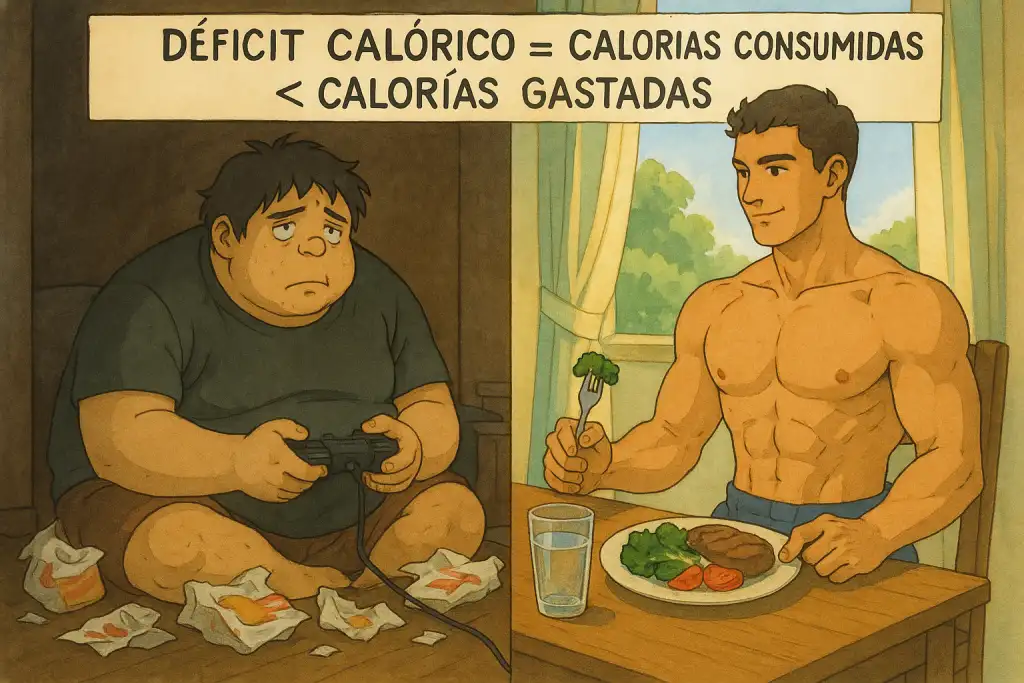
From r/Hevy to r/naturalbodybuilding, we pulled the active 2026 threads asking for the best macro tracking app. One name keeps winning — here's why.
Read Article